Omar Walid
Robotics Software Engineer
Architecting Intelligent Robotic Systems
Passionate about designing end-to-end robotics solutions that merge AI, perception, and control to create intelligent, real-world automation.

Project index
25 projects. Pick one to jump to its details.
- Semi-Humanoid Hospitality Robot
Now
Semi-Humanoid Hospitality Robot
- Edge Perception on Jetson Orin NX
Now
Edge Perception on Jetson Orin NX
- WISTO: GPU Stereo-Inertial SLAM for Bimanual Manipulation Data
Now
WISTO: GPU Stereo-Inertial SLAM for Bimanual Manipulation Data
- Automated Barista Solution
Now
Automated Barista Solution
- Starpilot
Project
Starpilot
- Kitchen Gantry System
Project
Kitchen Gantry System
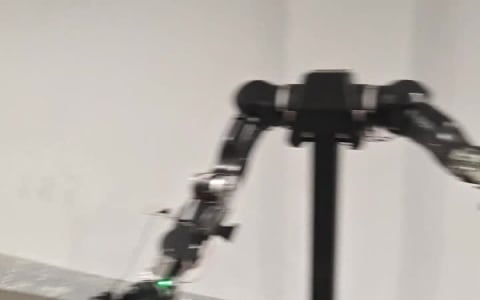
- OpenArm: Haptic Teleoperation Over Network & Data Pipeline
Project
OpenArm: Haptic Teleoperation Over Network & Data Pipeline
- Bank SMART Customer Support Agent (Duet Robot)
Project
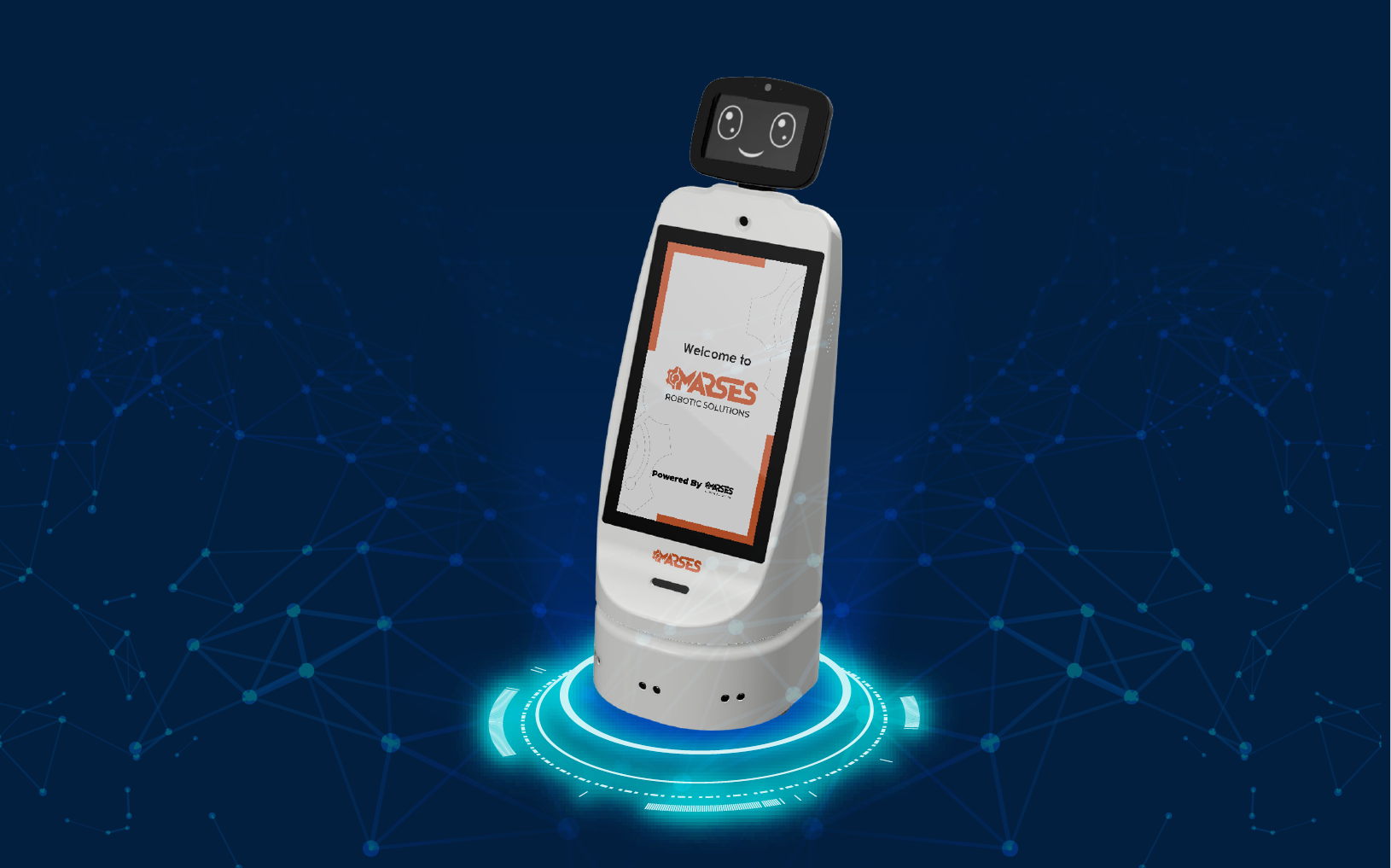
Bank SMART Customer Support Agent (Duet Robot)
- MDR-C Disinfection Robot
Project
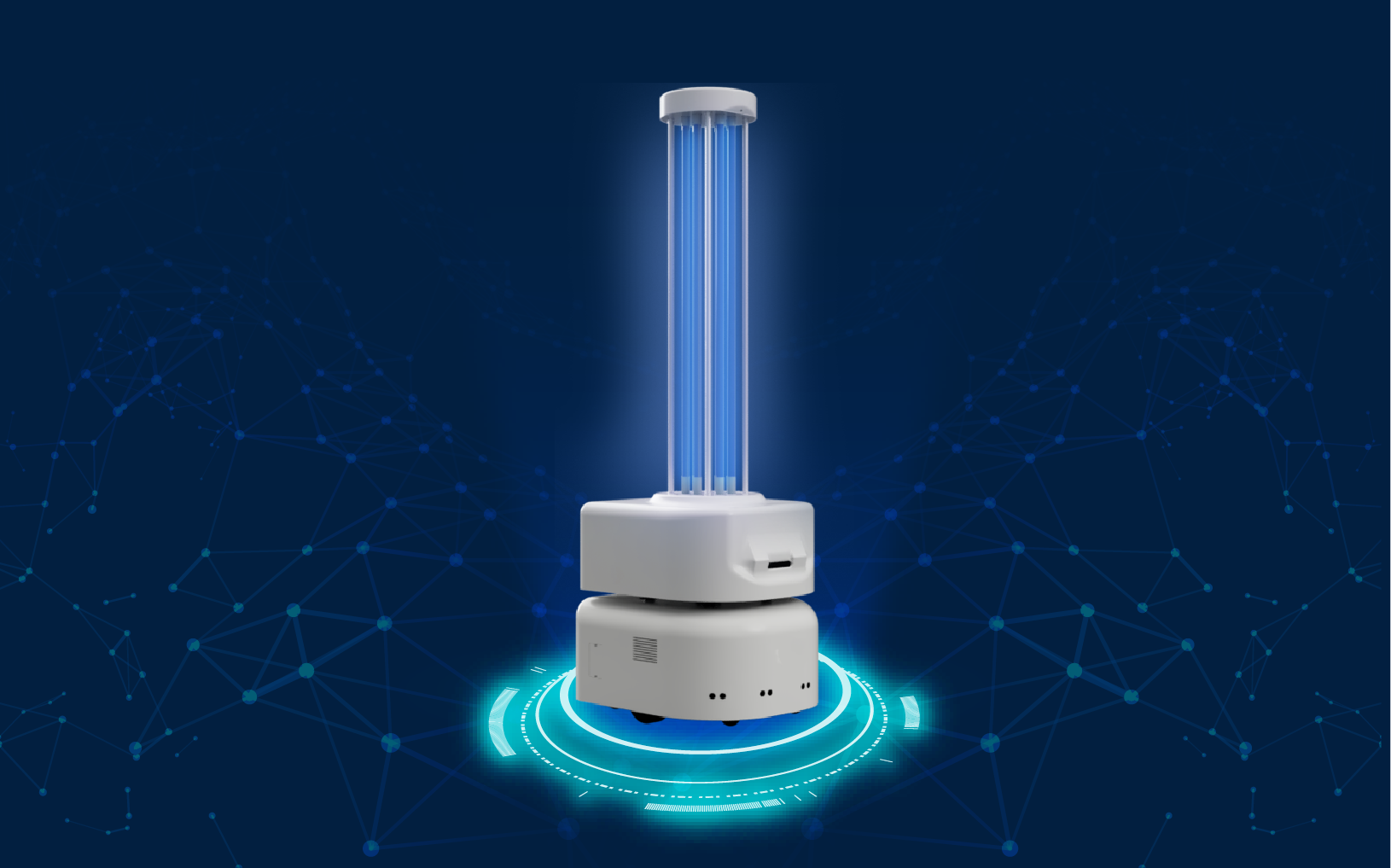
MDR-C Disinfection Robot
- MB90a Logistics Robot
Project
MB90a Logistics Robot
- Duet Interactive Robot
Project
Duet Interactive Robot
- MDR-A Dry Fog Disinfection Robot

Project
MDR-A Dry Fog Disinfection Robot
- Rolly Delivery Robot

Project
Rolly Delivery Robot
- Mozo Delivery Robot
Project
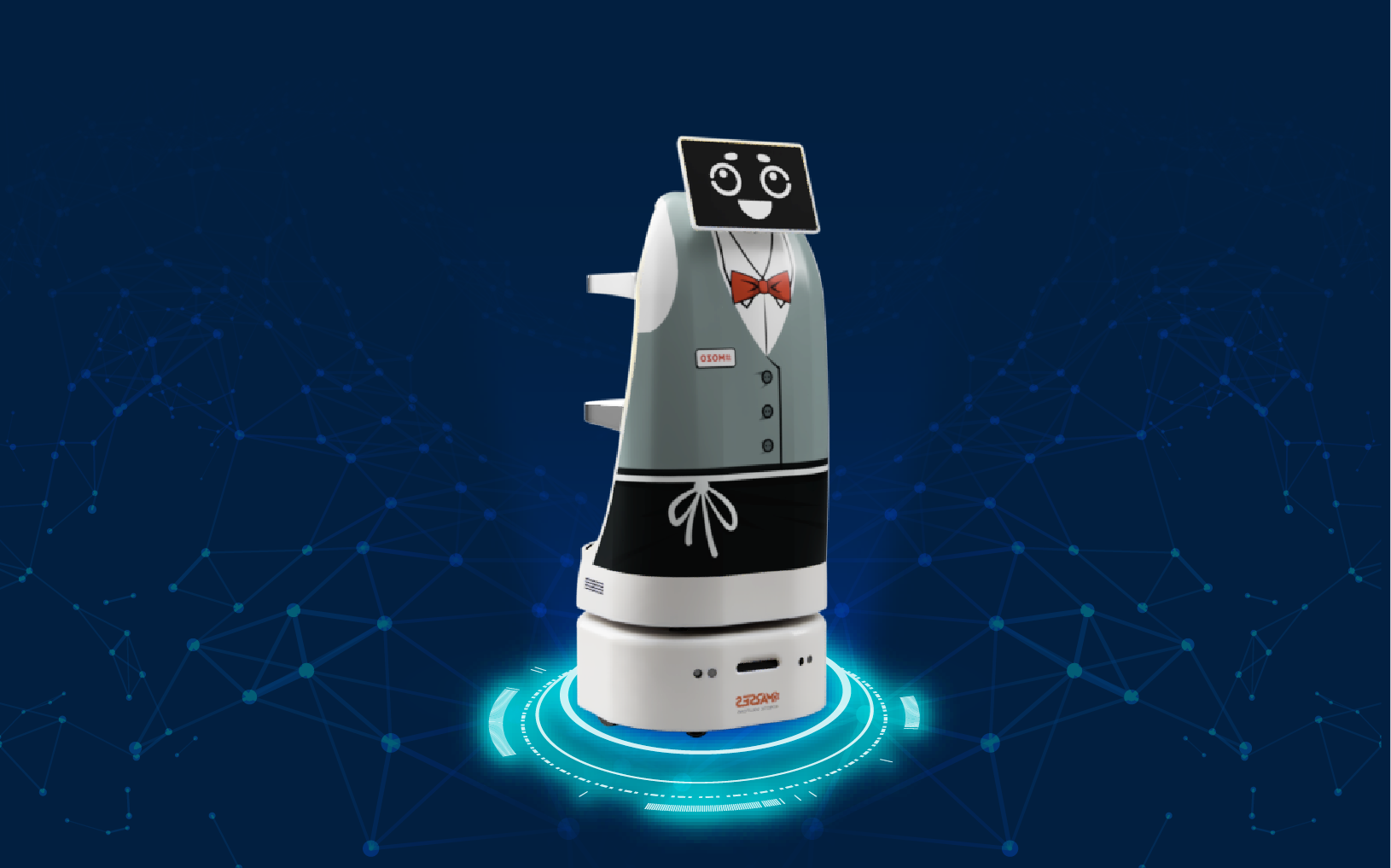
Mozo Delivery Robot
- Fleet Management System for Robots
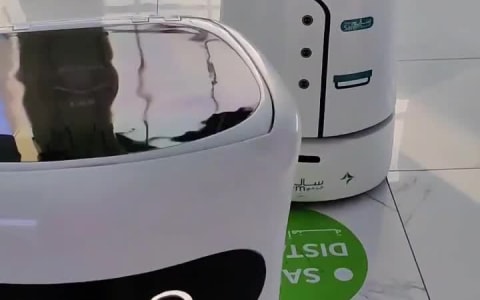
Project
Fleet Management System for Robots
- Semi-Humanoid Robot - Tuya (Paused)
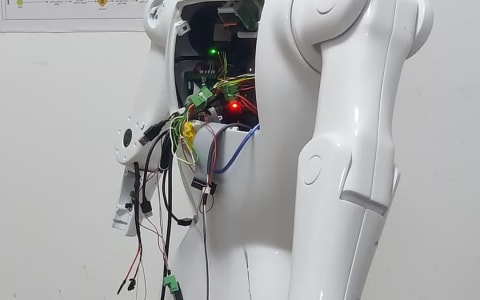
Project
Semi-Humanoid Robot - Tuya (Paused)
- Navigation Parameters Tuning Using Genetic Algorithm

Project
Navigation Parameters Tuning Using Genetic Algorithm
- Universal Manipulation Interface: Zero-Shot Robot Skill Transfer from Human Demonstrations
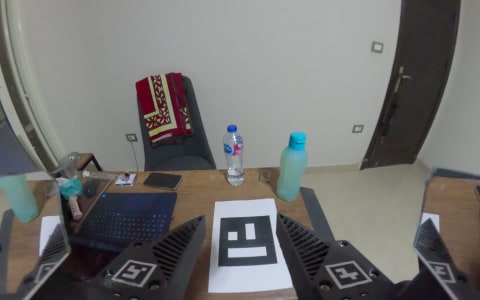
Project
Universal Manipulation Interface: Zero-Shot Robot Skill Transfer from Human Demonstrations
- RoboScribe, Cursor Hackathon Heilbronn
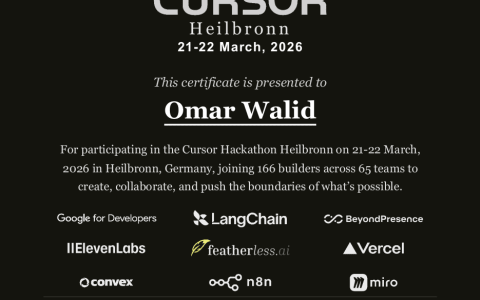
Research
RoboScribe, Cursor Hackathon Heilbronn
- Unified Vision-Language-Action (VLA) Models

Research
Unified Vision-Language-Action (VLA) Models
- 3D Perception in Autonomous Systems

Research
3D Perception in Autonomous Systems
- Sensor Fusion Optimization

Research
Sensor Fusion Optimization
- Autonomous Vehicle Simulation

Research
Autonomous Vehicle Simulation
- (Personal Research) Simulation and Reinforcement Learning for Robotics

Research
(Personal Research) Simulation and Reinforcement Learning for Robotics
- (Personal Research) 3D Indoor Navigation for drones using PX4 Simulation
Research
(Personal Research) 3D Indoor Navigation for drones using PX4 Simulation
01 About
About Me
Robotics Team Lead and Systems Architect with 8+ years building production-grade service robots. Specialized in ROS2-based autonomy stacks, perception, navigation, embedded systems, and AI integration. Proven experience owning full robotics architectures — from low-level firmware and real-time communication to high-level autonomy and cloud connectivity — while leading multi-disciplinary teams to deliver commercial robotic products.
Barista Project Lead Architect
Designed and implemented the full system architecture for a multi-machine automated barista solution, integrating ROS2 behavior trees, RS485+CAN communication, and cloud-based facial recognition.
Cursor Hackathon Heilbronn
30 hours Hackathon to develop AI based solutions, Mainly Focused on building RoboScribe Natural Language Policy Validation & Data Collection for Humanoid Robots
Television Public Speaker & Robotics Industry Expert
Featured as a robotics expert on television, discussing humanoid robotics, AI integration, and the future of intelligent machines in healthcare and daily life.
AI-Powered Robotics Integration (SMART Customer Support Bank Agent)
Developed an AI-driven assistant deployed on Duet service robot with advanced navigation, perception, and multi-modal interaction.
Warehouse Automation Success
Architected and implemented the MB90a logistics robot software from scratch using ROS2, CAN protocols, and holonomic motion control.
Advanced Navigation Solutions
Implemented hybrid 2D/3D mapping and navigation combining Cartographer, MPC, and Open3D for dynamic obstacle handling.
System Architecture and Design
Designed and implemented complex robotics systems for various projects with complex algorithms, multi-sensor fusion, behavior trees, and real-time communication protocols.
Leadership in Robotics Innovation
Built and led multi-disciplinary teams delivering 30+ robotics projects and 8 distinct robot models across industries.
Pioneer in Commercial Robotics in MENA Region
Created one of the first restaurant delivery robot product in the region during early career at MARSES Robotics.
Programming Languages
Robotics & Embedded Systems
DevOps & Infrastructure
Perception & Navigation
AI & Machine Learning
Databases
02 Experience
Job Roles & Responsibilities
Detailed overview of my professional experience and key responsibilities
2024 - Present
California, USA (Remote)
- •Designed and developed complete software architecture for a robotic kitchen automation system.
- •Integrated microcontroller solutions (ARM Cortex-M, STM32) with CAN & RS485 protocols.
- •Simulating solution on Gazebo before mechanical integration
- •Led ROS2-based communication and orchestration design.
- •Developed motion planning pipelines using MoveIt2, OMPL, and CHOMP planners.
- •Implemented 3D Octomap-based perception for object detection and avoidance.
- •Architected OpenArm haptic teleoperation system enabling bilateral control over networks with 1000Hz feedback loops, synchronized data pipelines for imitation learning using GStreamer/NVENC, and automated quality validation for AI training datasets.
- •Built the company's full imitation learning data collection pipeline using handheld grippers, Vive Trackers, STM32 gripper boards, and Eclipse iceoryx (iox-roudi) SHM ring buffers for zero-copy IPC, with episodes formatted via LeRobot and pushed directly to HuggingFace Datasets for ACT/VLA policy training.
- •Developed WISTO, an in-house GPU stereo-inertial SLAM (C++/CUDA) that beats ORB-SLAM3 on accuracy, powering a bimanual handheld data-collection rig that exports LeRobot datasets.
2020 - Present
Dubai, UAE
- •Led a cross-functional team of robotics engineers, developers, and installation specialists.
- •Designed AI-powered customer support agents using LLMs (LLaMA3, ChatGPT4, Qwen3) with STT/TTS and data synthesis for improved interactivity.
- •Architected end-to-end mapping, localization, and 3D perception pipelines with multi-sensor fusion (LiDAR, IMU, Cameras) and SLAM integration.
- •Developed multi-robot fleet management systems with advanced perception and autonomous navigation using ROS behavior trees.
- •Implemented Agile processes, streamlining workflows and reducing delivery time by 30%.
- •Integrated real-time communication systems using WebSockets, ProtoBuf, and APIs.
- •Oversaw Android app & Web app development for customer-facing robotics interfaces.
- •Implemented RS485+CAN communication for multi-controller machine orchestration.
- •Established robotics technology adoption strategy through market analysis.
- •Coordinated hardware-software integration with mechanical teams.
- •Delivered over 30 robotics projects and 8 unique product lines.
- •Used Docker for containerized deployments and implemented CI/CD pipelines for automated testing and delivery.
- •Managed Git-based version control and branching strategies for multi-team collaboration.
- •Building the full software stack of a semi-humanoid hospitality robot (two 4-DOF arms, 2-DOF head, wheeled base): six C++ CAN/RS485 drivers as ros2_control plugins, a Pinocchio whole-body controller with MoveIt2, Nav2 (MPPI) autonomy running on the real base, and BehaviorTree.CPP missions dispatched from the cloud over MQTT.
- •Built a Jetson Orin NX perception co-processor feeding Nav2 costmaps: a native TensorRT YOLO11 detector at 18 Hz, persistent 3D object tracking in the map frame, a CUDA depth filter (driver CPU 61% to 16%) and iceoryx shared-memory transport (depth latency 0.48 s to 0.07 s).
2017 - 2020
Cairo, Egypt
- •Developed first proof-of-concept delivery robot for restaurants.
- •Developed autonomous mapping and localization using ROS.
- •Conducted R&D resulting in 4 new product lines.
- •Programmed robots using ROS, C++, Python, and Embedded C.
- •Established the company's software team architecture.
- •Optimized installation processes and designed custom Linux-based image, reducing installation time by 30%.
- •Modeled motion control in MATLAB and Simulink.
03 Projects
Featured Projects
A showcase of my recent work and personal projects
Read moreShow less
- Engineered a teleoperation and data collection system using handheld grippers to generate high-quality episode datasets for imitation learning (ACT, VLA policies).
- Built real-time sensor orchestration over ROS2 with a custom sync benchmark achieving sub-millisecond inter-camera timestamp alignment across wrist and scene cameras.
- Implemented high-throughput zero-copy inter-process communication using Eclipse iceoryx (iox-roudi) with Shared Memory (SHM) ring buffers, minimizing latency and CPU overhead across the sensor pipeline.
- Captured 6-DoF end-effector pose via Vive Trackers with SteamVR-to-ROS2 bridge for accurate trajectory recording.
- Streamed gripper finger position via encoder feedback and hand dynamics via IMU from custom STM32 gripper boards over serial communication.
- Managed episode lifecycle, dataset formatting, and validation using LeRobot, ensuring compatibility with downstream policy training pipelines.
- Implemented direct push to HuggingFace Datasets for seamless integration with ACT and VLA policy training workflows.
Read moreShow less
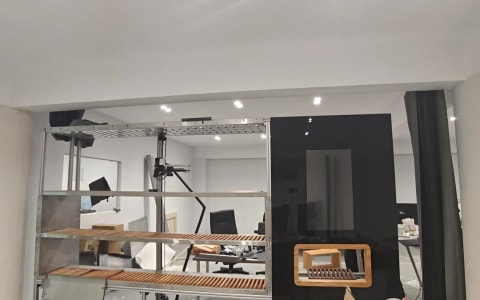
- Used MoveIt2, OMPL, CHOMP planners and Octomap for 3D detection,
- Working with 4 DOF system in a tight space to deliver from display area to delivery area,
- Interacting with stock database to ensure the system is always ready to deliver while fetching nearest item and tracking expiry dates.
Read moreShow less
- Architected a distributed teleoperation framework enabling 1:1 haptic coupling over VPN-secured networks.
- Developed a 1000Hz bilateral control loop using a custom UDP transport layer, implementing startup synchronization and smoothing to prevent torque spikes during remote handshakes.
- To facilitate Imitation Learning, engineered a high-performance data pipeline using Shared Memory (SHM) ring buffers and GStreamer/NVENC, achieving sub-10ms synchronization across four HD camera streams (including OAK-D Depth) with minimal CPU overhead.
- Established automated quality gates, validating 500Hz joint-state telemetry against 30Hz visual observations to ensure nanosecond-precision alignment for training end-to-end policies like ACT and Diffusion Policy.
Read moreShow less
Designed and implemented an AI-driven virtual assistant for banks using LLMs, STT/TTS, Cartographer navigation, MPC planning, Open3D-based 3D perception, IMU-odometry fusion, and WebSocket APIs to create a multilingual, interactive bank assistant.
Read moreShow less
Built from scratch with autonomous mapping, localization, and perception to achieve 99.9% sanitation accuracy in COVID-19-infected environments.

Read moreShow less
Increased logistics efficiency by 35% through automated navigation and holonomic motion control.
Read moreShow less
Duet is a friendly interactive expressive mobile robot designed to work as a standalone promoter who can welcome guests, guide them, conduct conversations, check in/out, print & scan documents, and provides information in an attractive way using changeable facial expressions.
Read moreShow less
- Developed the autonomous navigation, perception, and control software for a dry fog disinfection robot capable of atomizing various disinfectants into a super dry mist for high-speed airflow sanitization.
- Integrated mapping, localization, and obstacle avoidance algorithms to enable the robot to autonomously reach target areas and achieve full 360° disinfection coverage.
- Designed the control logic for dry fog spraying nozzles to ensure precise and efficient air purification.
- Implemented ROS-based task planning to coordinate navigation and spraying cycles, optimizing both coverage and operating time.
Read moreShow less
- Developed the complete robotics software stack for Rolly, an Autonomous Mobile Robot designed for secure, non-contact deliveries in multi-environment setups.
- Implemented fleet management capabilities, enabling multiple robots to operate seamlessly without collisions or interference.
- Integrated navigation for complex indoor routes, including BMS integration to automatically close and open doors.
- Designed human-robot interaction systems with custom touchscreen interface and application layer tailored to each client's needs.
- Implemented ROS-based autonomous navigation, obstacle avoidance, and task orchestration to ensure reliability, safety, and scalability.
Read moreShow less
Developed as part of MARSES' POC robotics solutions for restaurants, with smart waiter capabilities, payment gateway redirecting, customer satisfaction feedback survey, menu ordering and delivery
Read moreShow less
Developing a centralized platform for monitoring, controlling, and optimizing multi-robot operations in warehouses and public spaces.
Read moreShow less
- Developed control, navigation, and perception for a semi-humanoid robot platform.
- Controlling a 10 DOF system and fingers, Using Stereo cameras for 3D perception and 3D pose estimation, Built a robust asynchronous architecture for motor control enabling easy integration with MoveIt
Read moreShow less
- Built a ROS/Gazebo pipeline that automatically tunes local navigation parameters (e.g., costmap inflation radius and cost scaling factor) via a genetic algorithm.
- The system launches navigation goals through Locomotor/DWB, live-updates parameters using dynamic_reconfigure, and evaluates each candidate with multi-objective fitness: time-to-goal, collision penalties (Gazebo contact sensors), and front/side local-cost metrics sampled from the costmap.
- Runs iterative generations with elitism, crossover, and mutation, resetting the world and robot pose between trials.
- Includes goal progress monitoring via actionlib feedback, AMCL/odometry hooks, and automatic cancellation/recovery on timeouts or failure states.
- Results are serialized for offline analysis.
Read moreShow less
Migrated Stanford's Universal Manipulation Interface to GoPro 13 + Maxlens v2.0 (177° FOV), requiring complete sensor recalibration and SLAM pipeline adaptation.
- Performed Kannala-Brandt fisheye calibration with sub-pixel reprojection accuracy
- Characterized IMU noise parameters via Allan deviation for Visual-Inertial Odometry
- Built Foxglove Studio visualization pipeline for validating SLAM trajectories and sensor alignment via MCAP format
- Fixed critical timestamp synchronization in multi-camera capture infrastructure
- Validated end-to-end data flow from raw video to Zarr training datasets
Succeeded by WISTO, my GPU stereo-inertial SLAM for a bimanual data rig (see Current Work).
04 Now
Currently Working On
My latest projects and ongoing initiatives
Read moreShow less
A robot that works among guests has to drive safely through a crowd, move its arms and head in a way that is safe to touch, and run its missions without anyone watching. I built the software stack layer by layer, from raw CAN frames to scheduled missions.
- From vendor manual to motion. Wrote six C++17 SocketCAN / RS485 driver libraries (CANopen CiA-402 arm joints, impedance-controlled head, hub motors, battery, IMU), each wrapped as a ros2_control plugin. Its 12 joints run at 500 Hz for the arms, 30 Hz for the head and 50 Hz for the base.
- A head you can push by hand. The head blends precise position moves with a compliant impedance hold, so a guest can nudge it without fighting the motors.
- Upper-body control. A Pinocchio task-priority whole-body controller, MoveIt2 with 5 planning groups, closed-form head look-at and gravity compensation.
- Autonomy on the real base. Nav2 (MPPI), SLAM Toolbox / AMCL, an EKF fusing wheel odometry with the IMU, LiDAR, keep-out zones, a health watchdog and a readiness gate. It boots and comes up on its own.
- Missions as data. Missions are YAML files run by BehaviorTree.CPP v4, started by a scheduler or from the cloud over MQTT/TLS.
- Listening and following. A voice front end (wake word, speech-to-text, direction of arrival) and person tracking with re-identification for follow and guide modes.
The base drives autonomously on the real robot today. The arms and head are proven on the bench and in Gazebo, and full integration starts when the arm hardware arrives.
Progress
55%
Read moreShow less
Navigation is only as good as what the robot sees. I turned a Jetson Orin NX into a perception co-processor that feeds the robot's Nav2 costmaps, and spent most of the effort making it fast enough to trust.
- Detection in C++. A native TensorRT detector runs YOLO11m in FP16 at about 18 Hz (16 ms per frame), replacing a Python version with byte-identical output.
- From boxes to a 3D world. Detections plus depth become persistent 3D boxes in the map frame. An obstacle is cleared only when the robot looks again and sees empty space, never just because time passed. People live in a separate, fast-expiring layer.
- Moving work to the GPU. A bit-exact CUDA port of the RealSense spatial filter cut driver CPU from 61% to 16% at a steady 30 Hz. Porting the 3D lift to C++ took it from 44% of a core to almost nothing.
- Zero-copy transport. Moving local nodes to iceoryx shared memory cut depth latency from 0.48 s to 0.07 s, raised depth from 22 to 30 Hz, doubled the nvblox costmap rate (8.8 to 17.6 Hz) and dropped board load from about 8 to 3.5.
- Measured, not guessed. A record, replay and score harness grades each depth layer against ground truth, so every change is benchmarked before it ships.
Everything runs as Dockerized Isaac ROS services that start at boot.
Progress
65%
Read moreShow less
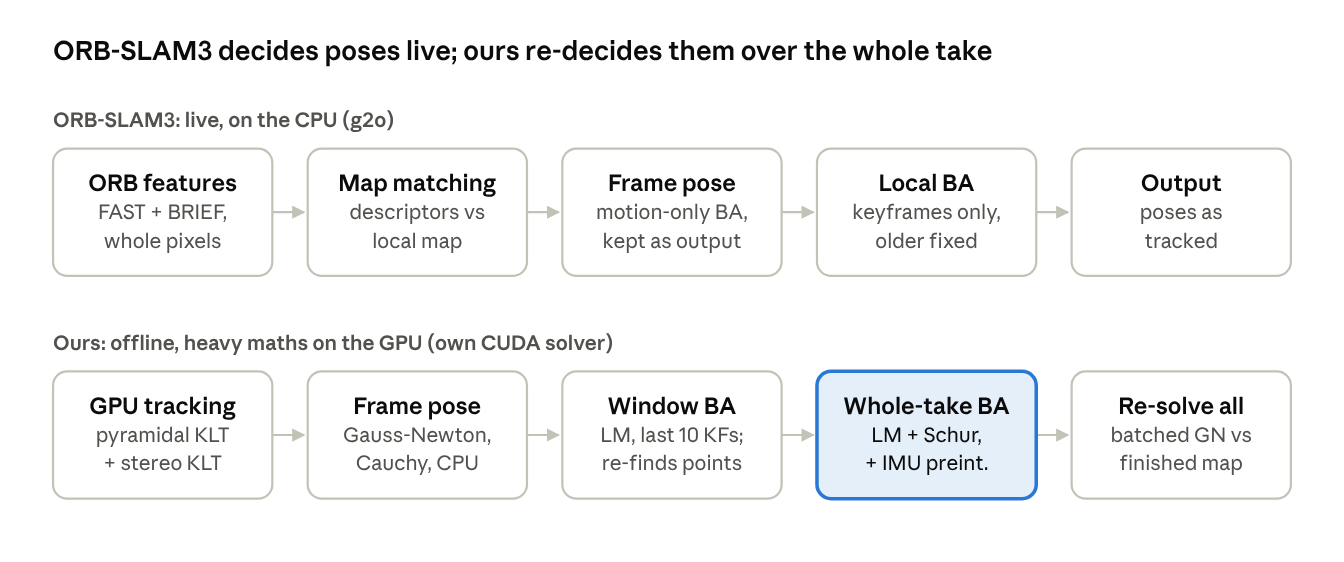
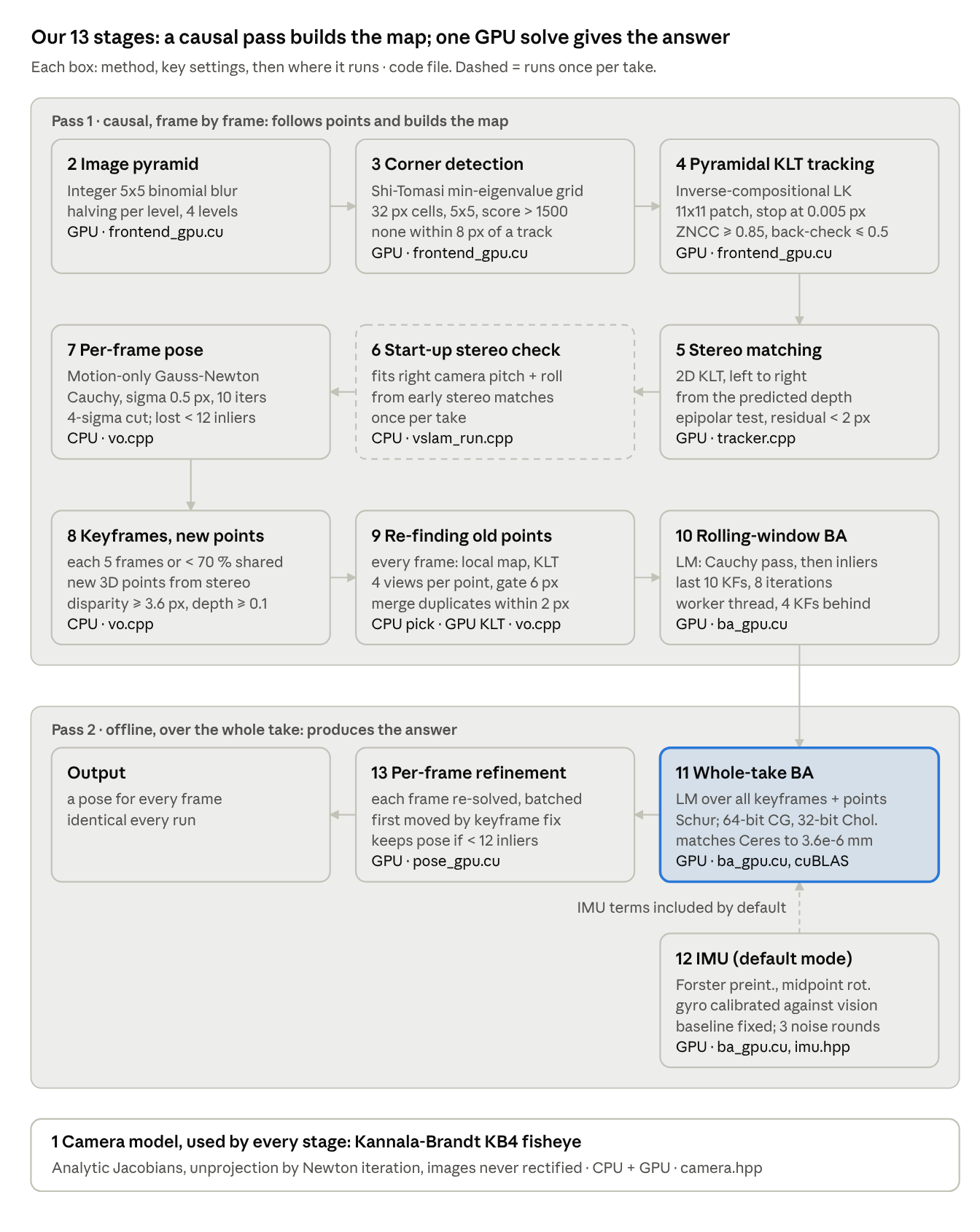
- Designed and built WISTO (Whole-take Inertial Stereo Tracking & Optimization), an offline stereo-inertial SLAM in C++20/CUDA, targeting 5 mm gripper pose accuracy with no external tracking infrastructure.
- GPU front end: image pyramids, Shi-Tomasi corners, pyramidal KLT tracking and fisheye stereo matching on Kannala-Brandt images that are never rectified.
- Whole-take GPU bundle adjustment: Levenberg-Marquardt with a Schur complement, conjugate gradient with a Cholesky preconditioner (cuBLAS/cuSOLVER), and Forster IMU preintegration; it matches Ceres to 3.6e-6 mm and gives the same answer every run.
- Beats ORB-SLAM3 on every metric of the robot-arm benchmark takes: ATE 8.5-8.9 mm vs 18.3-23.2 mm, scale within 0.5% vs 6.6-8.9% short, in 22-33 s per take. On EuRoC it wins 8, ties 2 and loses 1 of 11 sequences (median 22.5 vs 37.2 mm).
- Built the end-to-end pipeline: hardware-synced head stereo + gripper cameras recorded on an embedded board (live H.265 via VPU/NVENC, IMU strip), WISTO head pose, ArUco cube gripper tracking, and export to LeRobot v3.0 datasets.
Progress
75%
Read moreShow less
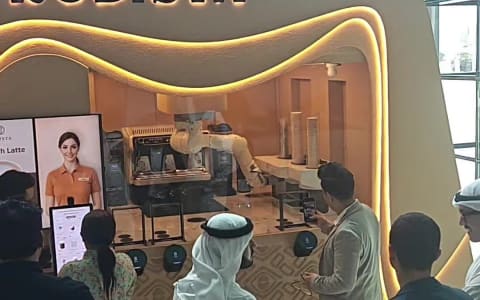
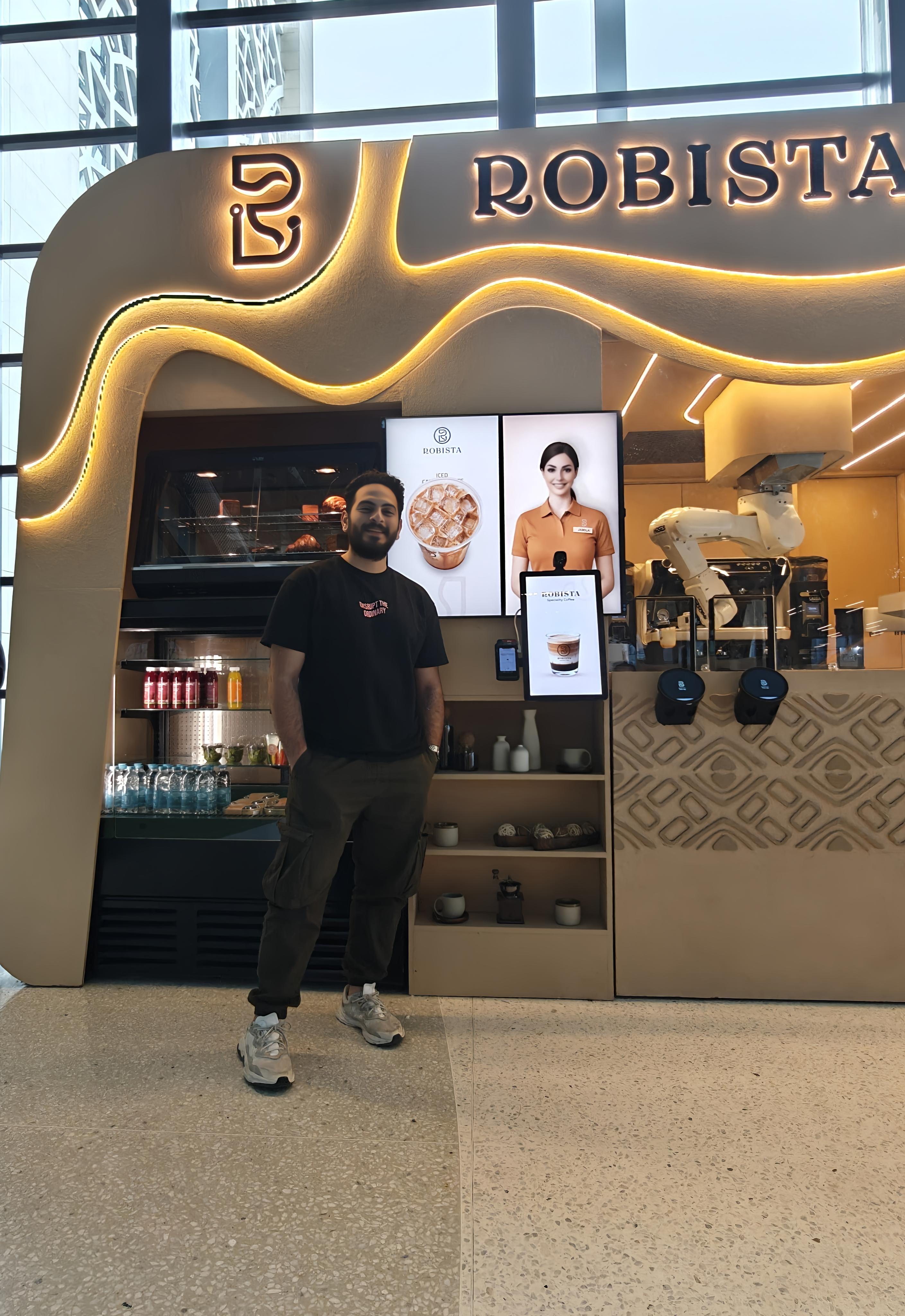
- Designed RS485+CAN communication to communicate between over 24 microcontrollers,
- Implemented ROS2 behavior trees to orchestrate beverage creation to achieve 60+ beverage types.
- Used Lifecycle nodes and actions to maintain system stability while handling failures and edge cases.
- Designed & Implemented Cloud-based facial recognition to have an interactive approach to the customer.
- Oversaw the development and contributed in handling a queuing system capable of forecasting stock levels and machines idle time,
- Designed Inventory and stock management system.
- Integrated POS system, achieving a fully automated barista system capable of delivering 600+ beverages per day.
05 R&D
Research & Development
Exploring cutting-edge technologies and innovative solutions
30 hours Hackathon to develop AI based solutions, Mainly Focused on building RoboScribe Natural Language Policy Validation & Data Collection for Humanoid Robots
Read moreShow less
- A natural language robotics interface that converts spoken or typed commands into executable humanoid robot motions inside NVIDIA Isaac Sim, enabling hands-free control and dataset generation.
- Integrates LLMs (DeepSeek via Featherless API) for command parsing and vision-language models (Qwen3-VL-2B) for object-aware navigation using robot camera input.
- Built as a full-stack system with a FastAPI backend, Next.js dashboard, and Isaac Sim extension, communicating via WebSockets for real-time control.
- Supports voice interaction (ElevenLabs STT/TTS), trajectory recording at 200Hz, and exporting robot motion data for learning or validation tasks.
- Designed to validate and analyze robot policies by comparing natural-language-driven actions with simulated execution in a humanoid robot environment.
Researching end-to-end architectures that unify vision-language encoders with LLM backbones (e.g., Llama-2) to enable robots to 'speak' the language of motor commands.
Read moreShow less
- Researching end-to-end architectures that unify vision-language encoders with LLM backbones (e.g., Llama-2) to enable robots to 'speak' the language of motor commands.
- This paradigm utilizes internet-scale pre-training through encoders like SigLIP and DINOv2 to grant robots semantic reasoning and zero-shot generalization to novel tasks.
- The system leverages the Open X-Embodiment dataset—comprising 1M+ trajectories across 22 robot types—to achieve cross-embodiment capabilities.
- My research explores the trade-offs between discrete autoregressive tokenization (RT-2, OpenVLA) and continuous generative policies like Diffusion (Octo) or Flow Matching (pi-zero), alongside optimization strategies like FAST tokenization for real-time edge deployment on mobile platforms.
Combining 3D clustering, object pose estimation, and YOLO detection for enriched local perception.
Read moreShow less
- Developing a multi-sensor 3D perception pipeline that fuses depth/LiDAR point clouds with RGB camera data.
- Point clouds are processed in Open3D for voxel filtering, clustering (e.g., DBSCAN), and object pose estimation using RANSAC/ICP.
- YOLO-based object detection runs on synchronized RGB frames, with detected classes associated to 3D clusters to add semantic labels.
- Final results are projected into a local perception map and published to the navigation stack, enabling both geometric and semantic reasoning for obstacle avoidance, path planning, and behavior selection.
- The system integrates SLAM-based localization with TF2 to ensure consistent transforms across all data sources.
Enhancing perception accuracy through fusion of LiDAR, IMU, and 3D camera data.
Personal R&D in autonomous driving.
Read moreShow less
Tested Autoware with HD maps and implemented MPC navigation control.
Using NVIDIA Isaac and Isaac Sim for high-fidelity simulation, robot testing, and reinforcement learning policy training in virtual environments before deployment.
06 Events
Events
A showcase of Events I contributed in
- In this interview, I talked about how quickly humanoid robotics is evolving, especially in terms of sensory capabilities.
- I explained that robots don’t actually see like humans — they rely on sensors, algorithms, and reinforcement learning to interpret their environment and mimic natural movement.
- We also discussed the recent robot showcases in China.
- While they look impressive, I clarified that most of those performances are pre-programmed rather than truly autonomous.
- I ended by sharing my perspective on the future of robotics in healthcare and daily life, emphasizing that although AI can simulate emotions, it still lacks real human consciousness and judgment.
- Integrated into the Duet service robot, this AI-driven interactive agent engages with children to assess their hobbies and talents through conversational interaction and guided activities.
- Features include talent demonstration recording, interactive storytelling, digital painting interface, and automated report generation for parents.
- Designed to create an engaging, educational experience while providing actionable insights for talent development.
- Engineered control, perception, and targeting systems for two omni-wheel drive robots showcased in an interactive VR shooting game at Gitex 2023.
- One robot operated autonomously, using fused odometry from wheel encoders, IMU, and camera-based ArUco marker pose estimation for navigation and aiming.
- It autonomously detected and engaged targets by calibrating pitch and yaw mechanisms and dynamically controlling the motorized shooting angle.
- The second robot was manually operated by a human opponent via VR headset and joystick, receiving real-time video feed through WebRTC streaming.
- The combination of precise omni-wheel kinematics, multi-sensor fusion, and integrated targeting systems created an immersive competitive experience between human and autonomous players.

- Developed a real-time interactive installation where a UR10 Universal Robot engages in a hockey-style game by detecting and reacting to a moving puck.
- Implemented trajectory estimation using ArUco markers, camera calibration, and high-speed vision processing to calculate puck speed, position, and future path.
- Designed decision-making logic to classify actions as defensive or offensive, and generated precise 2D plane position commands for the UR10 to execute responsive movements.
- The system was optimized for accuracy, speed, and audience engagement in a live event environment.

- Developed and integrated a control system for a Yumi ABB collaborative robot to synchronize its movements with live music beats in real time.
- The robot was programmed to operate a DJ mixer, perform smooth transitions, creating an engaging and visually synchronized experience for event audiences.
07 Videos
Video Gallery
Watch my robotics projects in action - from live demonstrations to technical deep-dives
Project Demonstrations
Projects
Academic Journey & Recognition
Foundations and milestones in robotics
Graduation Project - Mobile Service robot based on SLAM Gmapping
2018Helwan University — Mechatronics DepartmentAcademic Projects
ABU Robocon — Japan
2017ABU Robocon International Robotics CompetitionCompetition
ABU Robocon — Indonesia
2015ABU Robocon International Robotics CompetitionCompetition
ABU Robocon — Vietnam
2014ABU Robocon International Robotics CompetitionCompetition
P&G Robo-Competition
2016Procter & Gamble Robotics ChallengeCompetition
University Projects: Self-balancing robot, smart car obstacle avoidance, Maze solver robot using algorithmic pathfinding.
2013–2018Helwan University — Mechatronics DepartmentAcademic Projects
The Studio
Where ideas turn into autonomous reality
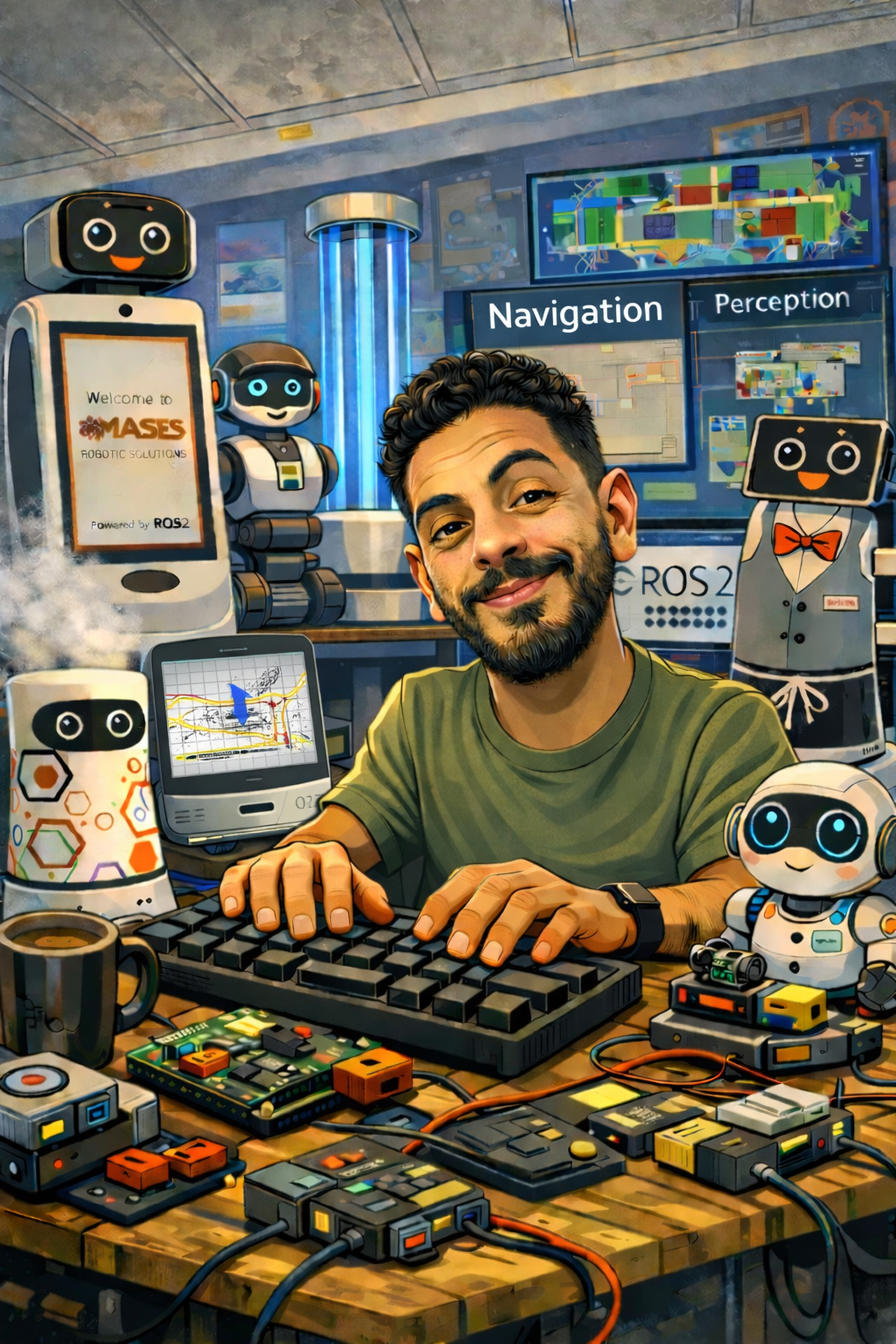
"The future is autonomous — I'm just helping get there faster."
Omar Walid